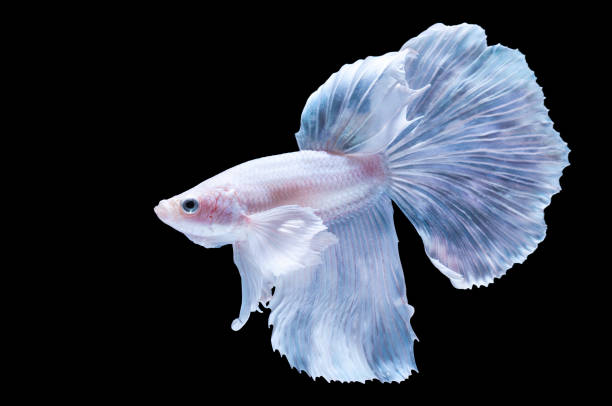
Betta fish, also known as Siamese fighting fish, are among the most popular freshwater aquarium species due to their vibrant colors and striking fins. However, one of the most debated topics among betta enthusiasts is choosing the right tank size. The size of the tank directly impacts their health, well-being, and overall quality of life. Here’s a detailed guide to help you make an informed decision.
Why Tank Size Matters for Betta Fish
The tank size you choose plays a critical role in ensuring your betta thrives. Despite their reputation for surviving in small spaces like tiny bowls or vases, this setup is far from ideal as it limits their activity and can lead to stress or health issues.
Key reasons why tank size matters include: – Space for Exercise: Bettas are active swimmers. A larger tank allows them sufficient room for swimming and exploring. – Water Quality Stability: Smaller tanks are prone to rapid fluctuations in water quality parameters like temperature, ammonia levels, and pH. Larger tanks maintain more stable conditions. – Reduction in Stress: Confinement in small spaces often leads to stress-related illnesses in bettas. – Room for Decor and Enrichment: Proper enrichment such as plants, hiding spots, and decorations require ample space so your betta can engage with its environment.
Recommended Tank Sizes for Betta Fish
| Tank Size | Suitable For | Pros | Cons |
| 1-2 Gallons | Temporary housing only | Compact; easy to set up | Poor water stability; cramped |
| 2.5-3 Gallons | Minimum suggested size | Small but manageable | Still limits movement |
| 5 Gallons | Ideal for single bettas | Provides ample swimming space; easier maintenance None | |
| 10+ Gallons Ideal choice (especially planted setups) Roomy; great stability Takes more room home |
Top Tips When Looking for Betta Fish for Sale and Setting Up Their Tank
Setting up a proper environment for your betta fish is crucial to ensure their health and longevity. Betta fish, also known as Siamese fighting fish, are stunning creatures but require thoughtful care when it comes to tank setup. Below are key considerations to help you create the best possible habitat for your betta.
Tank Size and Shape
- Minimum Tank Size: A 5-gallon tank is the minimum recommended size for a single betta fish. This provides enough space for swimming and reduces harmful toxin buildup in the water.
- Preferred Tank Shape: Long, horizontal tanks are better than tall ones as they give bettas more surface area, which is important because they breathe air from the water’s surface.
- Avoid Small Containers: Bowls or tanks smaller than 2 gallons can cause stress and negatively impact your fish’s quality of life.
| Recommended Tank Sizes | Suitable for Bettas? |
| Less than 2 gallons | No |
| 2-4 gallons | Not ideal |
| 5 gallons or more | Yes |
Water Quality and Filtration
Clean water is essential to keeping your betta healthy. Bettas thrive in stable water conditions that mimic their natural habitat.
- Filtration: Use a gentle filter that doesn’t produce strong currents, as bettas prefer calm waters.
- Water Temperature: Maintain a constant temperature between 76°F and 82°F using an aquarium heater if needed.
- pH Levels: Keep pH levels between 6.5 and 7.5, which closely mirrors their native environment in Southeast Asia.
- Water Changes: Perform regular partial water changes—about 25% weekly—to maintain optimal conditions.
Substrate Options
Choosing the right substrate enhances both aesthetics and functionality.
- Gravel or sand substrates work well for bettas.
- Avoid sharp-edged materials that could damage their delicate fins.
Additionally, consider planting live plants in your substrate. Live plants such as Java moss or Anubias not only improve oxygen levels but also provide hiding spots that mimic natural habitats.
Decorations and Hiding Spots
Bettas enjoy exploring their surroundings and need places where they can hide when feeling stressed or threatened.
- Provide caves, tunnels, or aquarium-safe decorations with smooth edges.
- Add floating plants like water lettuce to offer shade while maintaining swimming space at the surface.
Make sure decorations do not crowd the tank, as overcrowding limits movement and can stress your fish.
Lighting Setup
Proper lighting enhances your tank’s appearance without stressing your fish.
- Use soft LED lights designed specifically for aquariums to avoid overheating the water.
- Maintain a consistent day/night cycle by turning off lights at night to mimic natural daylight patterns.
By carefully considering these factors when setting up your betta fish tank, you can create an environment where they thrive physically and emotionally. A well-planned setup not only ensures better health but also allows you to enjoy the beauty of these strikingly colorful companions.
Discover the Best Betta Fish Online Shop for Unique and Beautiful Fish
Betta fish, also known as Siamese fighting fish, are among the most popular freshwater aquarium species. Their striking colors, flowing fins, and independent personalities make them a favorite among aquatic enthusiasts. To properly care for these fascinating creatures, it’s vital to understand their unique characteristics.
Natural Habitat of Betta Fish
- Labyrinth Organ: Bettas possess a labyrinth organ that allows them to breathe air directly from the surface. This adaptation enables them to survive in oxygen-poor waters.
- Tropical Nature: They are accustomed to warm water temperatures ranging from 75°F to 82°F (24°C to 28°C), which should be replicated in captivity.
- Territorial Behavior: In the wild, bettas are highly territorial. Males especially tend to guard their space aggressively.
Behavioral Characteristics
- Aggressiveness: Male bettas are notorious for their aggression toward other males and even certain tankmates. They perceive other males as competition and may fight until one is injured or worse.
- Bubble Nesting: Male bettas build bubble nests on the water’s surface as part of their breeding behavior. This is an instinctive trait tied to reproduction.
- Interactive Nature: Despite their reputation for being solitary, bettas can recognize and engage with their owners over time by following movement outside the tank or reacting during feeding sessions.
Physical Traits
| Feature | Description |
| Color Variations | Bettas come in a wide spectrum of colors including red, blue, white, orange, purple, and iridescent shades. |
| Fins and Tails | Their fin types vary dramatically – examples include veil tail, crown tail, halfmoon tail, and double tail varieties. |
| Sexual Dimorphism | Males typically have more elaborate fins compared to females who exhibit shorter fins but still display beautiful coloration when healthy. |
Lifespan
- Bettas can live between 3–5 years on average.
- Factors like poor water quality or inadequate nutrition can shorten this lifespan significantly.
Caring for Betta Fish Based on Their Unique Needs
- Provide a tank size of at least 5 gallons per fish.
- Maintain consistent water temperatures within the tropical range using an adjustable heater.
- Avoid housing multiple male bettas together unless properly partitioned or separated.
These unique traits highlight why betta fish require special care tailored specifically to meet both their physical needs and behavioral tendencies.
Discover Where to Buy Betta Fish for Sale and Explore Their Stunning Varieties
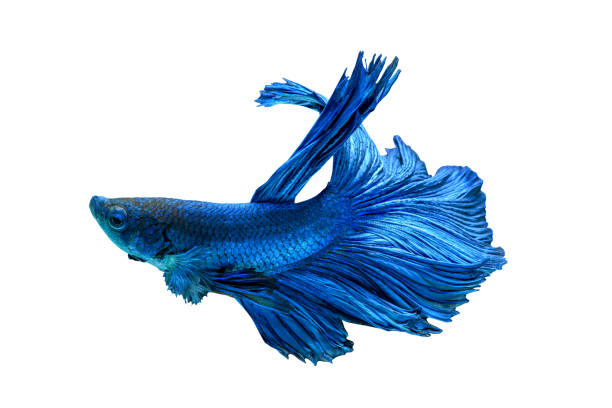
Betta fish, scientifically known as Betta splendens, are renowned for their vibrant colors, flowing fins, and fascinating personalities. Originally from the shallow waters of Southeast Asia, these freshwater fish have been selectively bred over generations to produce a stunning array of colors, patterns, and fin types. Below, we delve into the mesmerizing diversity of betta fish species and varieties.
Common Betta Fish Species
While most people are familiar with the domesticated Betta splendens (Siamese fighting fish), there are other wild betta species worth noting:
- Betta imbellis: Known as the “peaceful betta,” this species exhibits more subdued coloring but is less aggressive than B. splendens.
- Betta mahachaiensis: Found in brackish water habitats, this species displays iridescent blue and green hues.
- Betta smaragdina: Also called the emerald betta due to its shimmering green scales.
These wild varieties tend to have subtler appearances compared to their domesticated counterparts but are prized by enthusiasts seeking more natural beauty.
Domesticated Betta Fish Varieties
Fin Types
- Veil Tail (VT): The most common variety with long, flowing fins that trail like a veil behind them.
- Halfmoon (HM): Characterized by a tail that opens up to form a 180-degree “half-moon” shape.
- Crowntail (CT): Recognizable by the spiked appearance of its fins resembling a crown.
- Delta Tail: A smaller version of the Halfmoon with tails that don’t spread fully to 180 degrees.
- Plakat (PK): A short-finned variety that resembles wild bettas in appearance.
Color Patterns
- Solid Colors: Bettas can be found in solid shades such as red, blue, white, or black.
- Bi-colored: These feature one body color and another contrasting fin color.
- Marble: Marble bettas showcase unpredictable patches or blotches of multiple colors.
- Koi Betta: Similar to koi pond fish with vibrant red-orange and white patterns.
- Dragon Scale: Known for their thick metallic scales that give them an armored appearance.
Popular Color Variants
| Color Variant | Description |
| Blue | Ranges from deep navy blues to metallic turquoise shades |
| Red | Vibrant reds symbolizing strength |
| White Platinum | Gives an elegant pearlescent look |
| Black Orchid | A mix of deep black complemented by subtle hints of purple or blue |
| Mustard Gas | Features contrasting yellow fins against blue or green bodies |
Choosing the Right Variety for You
When selecting a betta fish variety: – Consider your aesthetic preferences – do you prefer bold patterns or solid colors?
– Think about tank setup – some types like Halfmoons require more space due to their large fins. – Research compatibility – smaller-finned varieties like Plakats may adapt better in community tanks.
With so many options available, exploring different species and varieties can be one of the most rewarding parts of keeping bettas. Each type brings its own unique charm while showcasing nature’s stunning ability to create beauty through diversity.
Exploring the Colorful World of Betta Fish Species and Varieties
Betta fish, also known as Siamese fighting fish, are renowned for their vibrant colors and majestic fins. They are one of the most popular freshwater aquarium fish globally, prized for their beauty and unique behaviors. However, many aquarists may not realize just how diverse betta fish can be. There are numerous species and varieties within the Betta genus, each with distinct characteristics. Below, we’ll dive into the fascinating world of betta fish species and varieties.
Common Betta Species
- Betta splendens: The most common type found in pet stores. It features vibrant hues ranging from red and blue to metallic shades like copper or gold.
- Betta imbellis: Known as the “peaceful betta,” this species is less aggressive than B. splendens and exhibits more subdued colors with iridescent greens and blues.
- Betta smaragdina: Also called the “emerald betta,” it is admired for its shimmering green scales.
- Betta mahachaiensis: Native to Thailand, this rare species boasts a mix of green and blue tones that shimmer under light.
Tail Types of Betta splendens
- One of the most common tail types seen in pet stores.
- Features long, flowing tails that gracefully trail behind them.
- Characterized by spiky extensions that make the fins appear like a crown.
- Offers a dramatic look with reduced webbing between rays.
- Known for its 180-degree spread when fully flared.
- Considered one of the most sought-after varieties by enthusiasts.
- A short-finned variety resembling wild bettas.
- Hardy and often preferred by breeders due to reduced risk of fin damage.
- Features two distinct lobes instead of one continuous fin.
- This genetic trait can lead to stunning symmetry but may require more care due to potential spinal issues.
Color Variations
- Solid Colors: Includes red, blue, white, black, or yellow individuals with uniform coloration over their entire body and fins.
- Multicolor Patterns: Combines two or more colors on the body or fins. Examples include koi patterns resembling traditional koi fish markings or marble patterns that change over time due to genetic mutations.
| Pattern Type | Description |
| Marble | Irregular patches creating a mottled appearance |
| Dragon Scale | Thick iridescent scales resembling dragon skin |
| Butterfly | Fades from one color at the base to another at fin edges |
Wild vs Domesticated Varieties
Wild bettas tend to have muted earth tones like browns or greens that allow them to blend into their natural habitats such as rice paddies or slow-moving streams. Domesticated varieties, however, have been selectively bred over hundreds of years for brighter pigmentation and exaggerated fin shapes.
Understanding these variations not only helps you appreciate your own pet but also allows you to choose a betta that fits your personal preferences while learning about its specific needs for care.
How to Create an Ideal Environment for Your Betta Fish at Home
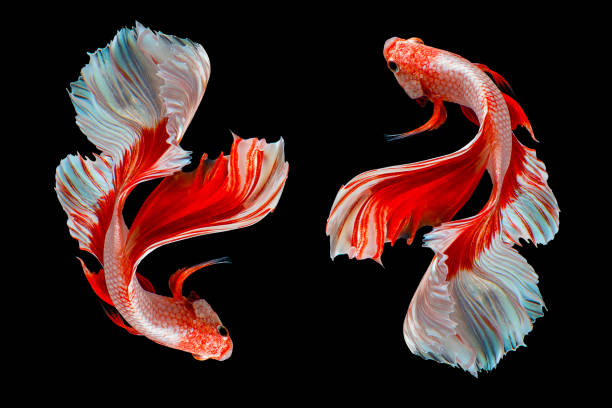
Creating the perfect environment for your betta fish is crucial for their health, happiness, and longevity. Betta fish are hardy and adaptable, but they thrive in conditions that mimic their natural habitat. Below is a comprehensive guide on how to design a comfortable and stimulating home for your betta.
Tank Size and Setup
The foundation of a great betta environment starts with the right tank setup. While bettas are often sold in small containers, they require far more space to live comfortably.
- Tank Size: A minimum of 5 gallons is recommended. Larger tanks provide stability in water parameters and more room for enrichment.
- Shape: Opt for a rectangular tank rather than round or tall ones. Bettas prefer horizontal swimming space.
- Lid or Cover: Ensure the tank has a secure lid since bettas are known to jump.
Water Quality
Maintaining pristine water quality is critical for your betta’s well-being. Poor water conditions can lead to stress or diseases.
- Filtration: Use a gentle filter that doesn’t create strong currents as bettas prefer calm waters.
- Heater: A heater is essential since bettas thrive in water temperatures ranging from 76°F to 82°F (24°C – 28°C).
- Water Testing: Monitor ammonia, nitrites, nitrates, and pH levels using an aquarium test kit. Aim for:
- Ammonia/Nitrite: 0 ppm
- Nitrate: <20 ppm
- pH: Between 6.5 and 7.5
Plants and Decorations
Replicating the natural environment of wild bettas goes a long way toward making them feel comfortable.
- Java moss
- Anubias
- Marimo moss balls These plants not only provide hiding spots but also help improve water quality by absorbing toxins.
- Silk Plants vs Plastic: If live plants aren’t feasible, choose silk plants over plastic ones to avoid damaging your betta’s delicate fins.
- Caves or tunnels (smooth-edged)
- Driftwood pieces These structures offer territories your fish can explore.
| Decoration Type | Benefits |
| Live plants | Natural filtration, oxygenation |
| Silk plants | Safe alternative for aesthetics |
| Hiding caves | Reduces stress |
Lighting Considerations
Bettas require consistent day-night cycles to regulate their biological rhythms.
- Use an aquarium light that mimics natural daylight.
- Avoid overly bright lights that can stress them out.
- Set lights on timers to maintain consistency (8–12 hours per day).
Proper Feeding Habits
Healthy feeding practices contribute significantly to creating an ideal living environment.
- Feed high-quality pellets specifically designed for bettas.
- Supplement their diet with frozen or live food such as brine shrimp or daphnia once or twice weekly.
- Avoid overfeeding — only feed what they can consume in two minutes.
Monitoring Behavior and Health
- Look out for energetic swimming patterns.
- Inspect their fins regularly — torn or clamped fins may indicate stress or poor water conditions.
- Watch whether they show interest during feeding times.
By addressing these factors holistically, you cultivate not only an ideal environment but also set the stage for your betta fish’s vibrant personality to shine through every day.
- Factors to Consider When You Buy Betta Fish Online and Their Unique Characteristics
- Discover the Best Betta Fish Online Shop and Tips for Buying Safely
- How to Buy Betta Fish Online and Choose the Perfect Tank Size
- Discover All the Different Types and Varieties When You Buy Betta Fish Online
- Best Tank Size Guide for Betta Fish for Sale
- Discover the Best Betta Fish for Sale: Fascinating Facts and FAQs
- Discover the Best Betta Fish Online Shop and Learn About Their 3 to 5 Year Lifespan