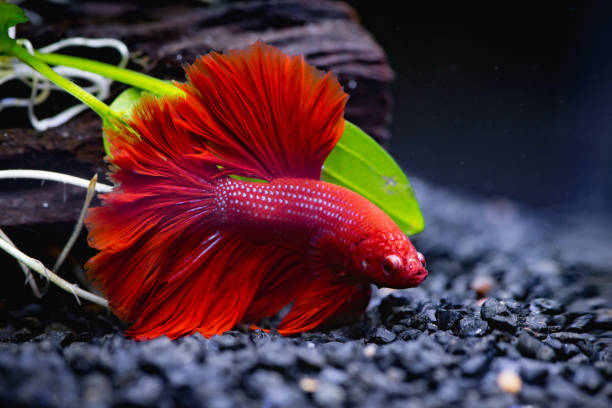
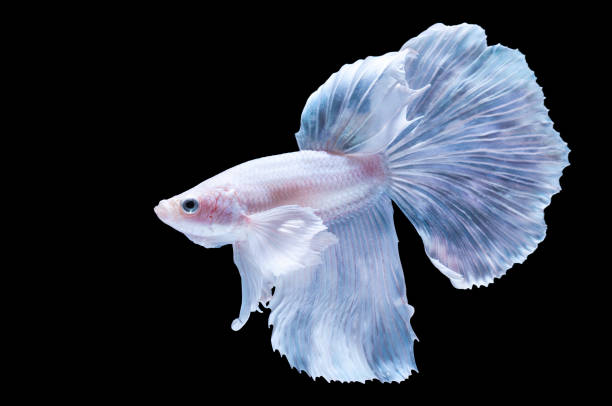
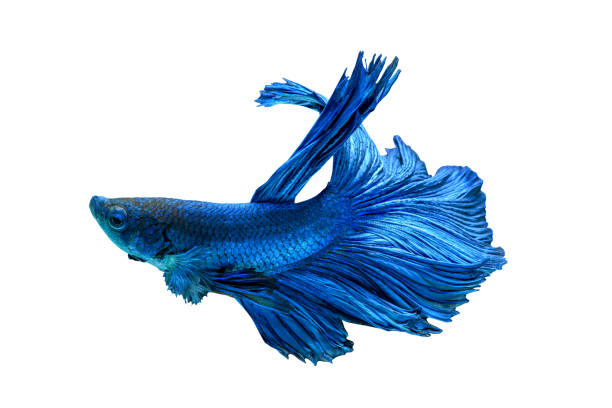
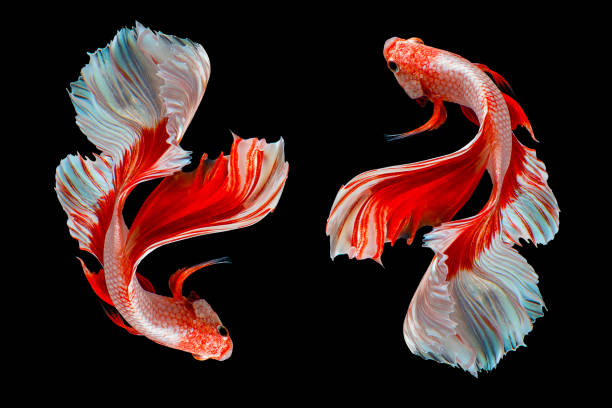
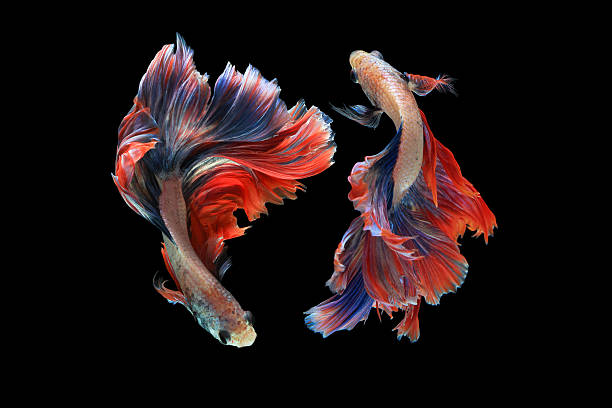
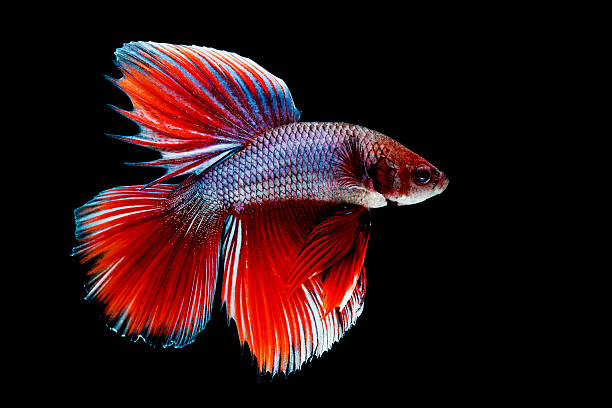
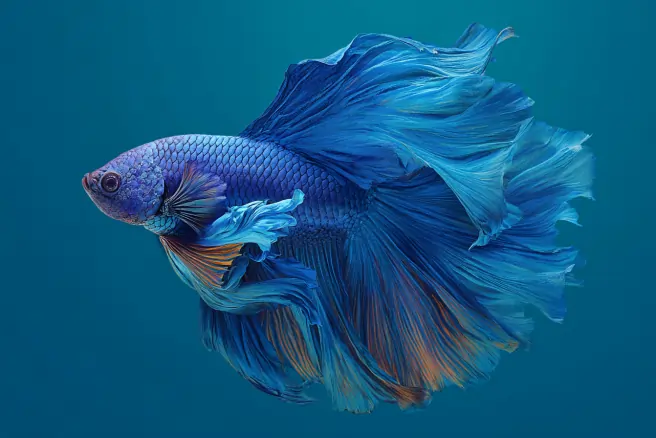
 However, betta fish prices can vary significantly based on several factors. Understanding what influences their cost and identifying their unique characteristics can help buyers make informed decisions.
Key Factors Influencing Betta Fish Price
- The rarity of a color or pattern can dramatically increase its price.
- Common colors include red, blue, green, and purple. Rare shades like white platinum or koi patterns often command higher prices due to their uniqueness.
| Color Type | Average Price Range | Rarity Level |
| Solid Red | $5-$10 | Common |
| White Platinum | $20-$50 | Rare |
| Koi Pattern | $30-$100 | Extremely Rare |
The shape and size of a betta’s fins play a crucial role in determining its value.- Veil Tail: Common, typically lower in price ($5-$10).
- Halfmoon: Known for their large tail span (180 degrees), moderately priced ($20-$40).
- Crowntail or Rosetail: Highly prized for their intricate appearance; these can range from $30 to over $100.
- Bettas bred from premium genetic lines often come with a higher price tag due to selective breeding practices aimed at enhancing desirable traits such as vibrant coloration or unique patterns.
- Age, Size, and Health Condition (Detailed further under another header)
Unique Characteristics of Betta Fish
- Labyrinth Organ:Unlike most fish that rely solely on gills for oxygen intake, bettas have a labyrinth organ that allows them to breathe atmospheric air directly at the water’s surface.
- Territorial Nature:Male bettas are famously territorial and should not be housed with other males to avoid aggressive behavior.
- Interactive Behavior:These intelligent fish often recognize their owners and may respond by flaring their fins or following finger movements along the tank glass.
- Bubble Nesting:Male bettas create bubble nests at the water’s surface when preparing for reproduction—a fascinating behavior unique to these species.
Why Understanding These Factors is Important
Whether you are a novice aquarist or an experienced enthusiast, knowing what impacts betta pricing enables you to select a fish that suits your aesthetic preference while staying within budget. Moreover, recognizing the traits that make these creatures special fosters better care practices in captivity.
By appreciating how aspects such as coloration rarity, fin variation, genetic lineage, and behavior influence both pricing and desirability in bettas, buyers can approach their purchase with confidence while ensuring they provide optimal living conditions for these remarkable aquatic pets.
Finding Healthy and Vibrant Betta Fish for Sale: What to Look For
When purchasing a Betta fish, it is essential to evaluate several key factors, including age, size, and overall health condition. These factors not only determine the fish’s longevity but also influence its compatibility with your aquarium setup. Below is an in-depth exploration of these elements to assist potential buyers in making informed decisions.
splashyfishstore.com/collections/betta-fish-by-quality-grade
Age of Betta Fish
The age of a Betta can significantly impact its behavior and lifespan. Most Betta fish available for purchase are between 4 to 12 months old.
- Typically more vibrant and active due to their youthful energy.
- Adapt well to new environments as they are still growing.
- Provide potential owners with ample time to enjoy their lifespan (usually 2-3 years).
- May exhibit more subdued behavior compared to younger fish.
- Often sold at lower prices since they have a shorter remaining lifespan.
- Ideal for those seeking relatively low-maintenance care for a shorter period.
When selecting a Betta, inquire about its estimated age from the seller or breeder.
Size Considerations
Betta fish size is another critical factor that reflects both health and growth status.1.1 and 1 inches, excluding their fins.
- Often juveniles or underdeveloped adults.
- May require additional time and care to reach full size if purchased early in their development.
- Usually indicative of healthy growth and proper care during breeding.
- Ideal for those seeking visually striking individuals with long-flowing fins and vibrant colors.
Always assess the proportions of the body relative to the fins; overly small or underdeveloped bodies may indicate malnutrition or genetic deficiencies.
Health Conditions
Health is perhaps the most important aspect when selecting a Betta fish, as it determines both quality of life for the animal and ease of care for its owner.
Key Features of Healthy Bettas:– Clear, vibrant coloring with no faded patches. – Smooth scales free from white spots or fuzzy growths (signs of illness). – Long fins that fan out effortlessly without tears or clamping. – Active swimming behavior; alertness when approached. – Clean gills with no labored breathing or excessive movement.
Signs of Poor Health:| Symptom | Possible Cause | Action | |———————-|———————–|———————————-| | Torn or damaged fins | Fin rot | Seek treatment options; avoid buying unless confident in recovery efforts. | | Lethargy | Stress or illness | Ensure no overcrowding in tanks during purchase inspection. | | Cloudy eyes | Bacterial infection | Avoid purchasing unless professionally treated beforehand.
Final Recommendations
- Purchase from reputable breeders or stores that maintain clean tanks.
- Observe each individual’s activity levels before deciding.
- Ask about feeding habits – healthy Bettas should eat actively without hesitation.
- Avoid overcrowded tanks where stress can lead to weakened immune systems.
Understanding how age, size, and health interconnect allows prospective buyers to select a thriving pet while minimizing risks associated with poor conditions or improper handling by sellers.
Understanding Age, Size, and Health When Buying from a Betta Fish Online Shop
When purchasing a betta fish, understanding factors such as age, size, and health conditions is crucial to make an informed decision. These attributes significantly influence the fish’s lifespan, care requirements, and overall well-being. Below is a detailed analysis of these factors and what potential buyers should consider.
Age of Betta Fish
The age of a betta fish is an essential factor because it directly impacts their longevity and activity levels.
- Juvenile Betta Fish: Typically 2-4 months old when sold. Juveniles are still growing and offer buyers the longest potential lifespan.
- Pros: Longer time to bond with your pet.
- Cons: Requires more attention during growth stages.
- Adult Betta Fish: Usually sold at around 6-12 months old. Adult fish are fully developed in size and color.
- Pros: Easier to assess their final appearance (fins, colors).
- Cons: Shorter remaining lifespan compared to juveniles.
- Elderly Betta Fish: Over 2 years old. These are less commonly sold but may be available in specific circumstances.
- Pros: Suitable for short-term commitments or experienced hobbyists.
- Cons: Reduced energy levels and greater susceptibility to health issues.
Buyers should inquire about the approximate age from sellers or breeders if it isn’t explicitly mentioned in listings.
Size of Betta Fish
Betta fish vary in size depending on their species and age.2.2–2 inches long, though certain varieties can grow slightly larger.
- Smaller-sized bettas (juveniles) may require additional feeding schedules as they mature.
- Larger-sized bettas (adults) have fully developed fins that showcase their vibrant coloration but may require tanks with more space to avoid stress or damage to delicate fins.
When selecting a size, consider your tank dimensions.5 gallonsis recommended for healthy growth and movement.
Health Conditions of Betta Fish
Ensuring that the betta fish you purchase is healthy not only prevents future complications but also ensures an active and vibrant pet.
Physical Signs | Healthy Indicators | Potential Concerns | |——————————-|————————————| | Bright, vibrant coloration | Faded or dull appearance | | Smooth body without lumps | Visible bumps or swelling | | Clear eyes | Cloudy or bulging eyes | | Even fin structure | Torn, clamped, or frayed fins |
Behavioral Signs– Healthy bettas are active swimmers who respond readily when approached. – They display curiosity in their surroundings but maintain periods of rest as well. – Bettas suffering from illness may exhibit lethargy, erratic swimming patterns, or signs of difficulty breathing (such as frequent visits to the water surface).
Essential Questions for Sellers
Before committing to a purchase, buyers should ask breeders or pet store staff these questions: 1. What is the approximate age of this betta fish? 2. Has this fish shown any signs of illness recently? 3. Was it housed with other fish that may carry diseases? 4. What diet has this fish been fed?
By considering factors such as age, size, and health conditions carefully before purchasing a betta fish, prospective owners can ensure a healthier pet that thrives within its new environment.
Where to Buy Betta Fish for Sale and Enhance Your Aquarium’s Beauty
Betta fish, often referred to as “Siamese fighting fish,” are among the most visually stunning freshwater species available to aquarium enthusiasts. Their vibrant colors, intricate fin patterns, and graceful movements make them a popular choice for hobbyists looking to enhance the aesthetic appeal of their aquariums. Beyond their visual charm, bettas also play a crucial role in adding character and life to aquatic environments.
Aesthetic Contributions of Betta Fish
Betta fish are known for their striking beauty, which stems from their unique physical features and coloration.
- Color Variations: Bettas come in a wide range of colors, including red, blue, green, white, gold, purple, and bi-color or multi-color combinations. Their ability to reflect light off iridescent scales adds depth and brilliance to an aquarium.
- Fin Shapes: The flowing fins of bettas are iconic. Tail types such as veiltail, crowntail, halfmoon, and plakat contribute significantly to the elegance they bring to a tank.
- Behavioral Display: Male bettas frequently flare their gill covers and fins as part of territorial or courtship displays. This behavior emphasizes their dramatic appearance.
These characteristics make them not only a focal point in aquariums but also a conversation starter among hobbyists.
Enhancing Aquascapes with Bettas
Including bettas in your aquarium allows you to design an aquascape that complements their vivid coloration and dynamic presence.
- Tank Size: While bettas can live comfortably in smaller tanks (minimum 5 gallons), larger tanks provide more room for swimming and allow for more creative decorations.
- Live Plants: Incorporating live plants like java fern or moss creates a natural backdrop that contrasts beautifully with the bold colors of the fish.
- Lighting: Adjustable LED lights can enhance the vibrancy of your betta’s coloration while highlighting other elements within the tank.
- Substrate Choices: Darker substrates can help accentuate the brightness of a betta’s scales.
A carefully designed tank not only improves the aesthetic experience but also contributes positively to the well-being of these fish.
The Unique Personality of Bettas
- They recognize owners over time and may interact by following movements outside the glass.
- Curiosity leads them to explore decorations or plants within their environment.
- Despite being solitary by nature (especially males), they show playful behavior when stimulated with enrichment items like mirrors or floating items.
This combination of beauty and interactivity makes bettas one of the most rewarding species for both novice and experienced aquarists.
Summary Table: Aesthetic Features vs Tank Enhancements
| Feature | Recommended Enhancement |
| Vibrant Colors | Dark substrate & LED lighting |
| Flowing Fins | Open swimming spaces |
| Territorial Displays | Few tankmates or isolation |
| Interactive Personality | Enrichment objects |
Betta fish blend visual appeal with engaging behavior, making them ideal choices for aquariums designed with aesthetic elegance in mind. Proper planning ensures that both form and function work together harmoniously within your aquatic environment.
Cost Considerations and Current Market Trends When Buying Betta Fish
Betta fish are one of the most popular species in the ornamental fish trade, adored for their vivid colors, unique characteristics, and relatively low-maintenance care. However, their price can vary widely depending on several factors. Understanding these cost considerations and staying informed about market trends can help potential buyers make well-informed decisions.
Factors Influencing Betta Fish Prices
Betta fish prices depend on many factors, including rarity, physical traits, and origin.
- Breed or Type
Different breeds of betta fish come at varying price points.- Wild-type bettas: More affordable due to their natural coloration and lower demand.
- Fancy or designer bettas: Higher-priced for unique features like double tails or crown tails.
- Koi bettas: Highly sought after for their striking patterns that mimic koi fish.
- Color Variations
The vibrance and rarity of a fish’s coloration significantly affect its pricing. Common solid-colored varieties are more budget-friendly, while multi-colored or metallic-toned bettas can be expensive. - Origin
Locally bred bettas are typically less costly than imported ones. Imported specimens often have exotic traits that are unavailable in locally bred varieties. - Gender
Male bettas usually command higher prices than females due to their more prominent fins and brighter colors. - Health and Age
Younger fish with healthy appearances generally cost less; mature specimens in peak condition may be priced higher as they serve as prime breeders or display animals.
Average Price Range
| Type | Average Price (USD) |
| Standard Veil Tail | $3 – $7 |
| Crowntail | $5 – $12 |
| Halfmoon | $10 – $25 |
| Koi Betta | $20 – $50+ |
| Premium Show Quality | $50 – $200+ |
Note that prices may vary depending on location, breeder reputation, and current demand.
Current Market Trends
The global aquarium market has seen growth in recent years due to the rising interest in home aquariums as a hobby.
- Increased Interest in Designer Variants:Rare color morphs like marble or dragon scale patterns continue to gain popularity among enthusiasts.
- Online Sales Growth:Many breeders now sell directly through online platforms, which increases competition but also provides buyers access to unique specimens across regions.
- Awareness Around Ethical Breeding:Consumers are placing more emphasis on sourcing from ethical breeders who prioritize the health and well-being of the fish over mass production.
- Seasonal Demand Peaks:Prices often spike during holiday seasons when ornamental pet sales increase.
Tips for Budget-Conscious Buyers
- Purchase from local breeders instead of relying solely on imported stock.
- Look out for community swaps or organizations where hobbyists sell or trade healthy specimens at reasonable prices.
- Shop during off-season periods when demand is lower.
- Avoid show-quality variants if you’re purchasing primarily as a pet rather than for breeding purposes.
Understanding these considerations ensures that hobbyists not only obtain healthy and vibrant additions to their aquariums but also avoid overpaying for common varieties available at more reasonable rates elsewhere.
- Factors to Consider When You Buy Betta Fish Online and Their Unique Characteristics
- Discover the Best Betta Fish Online Shop and Tips for Buying Safely
- How to Buy Betta Fish Online and Choose the Perfect Tank Size
- Discover All the Different Types and Varieties When You Buy Betta Fish Online
- Best Tank Size Guide for Betta Fish for Sale
- Discover the Best Betta Fish for Sale: Fascinating Facts and FAQs
- Discover the Best Betta Fish Online Shop and Learn About Their 3 to 5 Year Lifespan