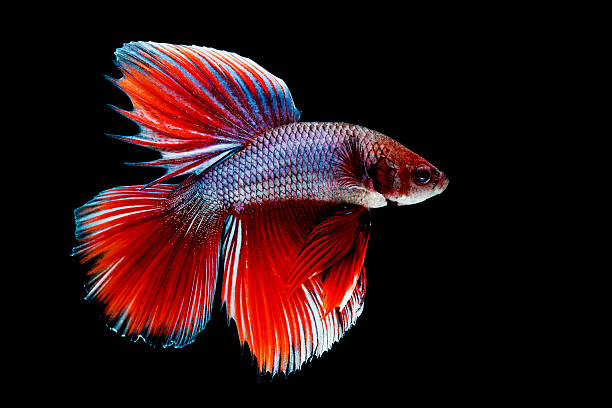
Choosing the right tank size for your male Siamese fighting fish, also known as Betta splendens, is critical to ensuring their overall health and happiness. While Bettas are often marketed as low-maintenance pets suited for small bowls or containers, this misconception can lead to inadequate care and shortened lifespans. Proper housing plays a vital role in keeping them healthy.
Ideal Tank Size for Male Betta Splendens
The minimum recommended tank size for a single male Betta is 5 gallons. This provides adequate space for them to swim naturally and reduces stress. Smaller tanks often lead to poor water quality and limited swimming space, which can negatively affect the fish’s health.
Here’s why a 5-gallon tank (or larger) is ideal:
– Water stability: Larger tanks maintain water parameters more consistently, reducing harmful fluctuations in temperature, ammonia levels, or pH.
– Swimming space: Bettas are active swimmers despite their reputation as sedentary fish; they thrive when given ample room to explore. – Easier maintenance: Larger tanks reduce waste concentration and require less frequent water changes compared to smaller setups.
Comparing Different Tank Sizes
| Tank Size | Suitability | Maintenance Effort | Notes |
| Less than 1 gallon | Not recommended | High | Poor water quality; stressful for Bettas |
| 2–3 gallons | Bare minimum but not ideal | Moderate | Frequent water changes required |
| 5 gallons | Optimal choice | Low | Balanced environment |
| 10+ gallons | Excellent | Low | Additional room for plants/decorations |
Why Small Tanks Are Problematic
Small tanks or bowls result in several issues that can harm your Betta: – Waste accumulation: In smaller volumes of water, toxins like ammonia and nitrite build up quickly. – Temperature instability: Smaller bodies of water are more prone to rapid temperature changes, causing stress. – Limited enrichment options: Tiny tanks leave little room for plants, hiding spots, or other forms of stimulation.
Additional Factors to Consider When Choosing a Tank
While size is crucial, there are other factors you should take into account: – Tank shape: Rectangular tanks provide better surface area than tall ones, which ensures proper oxygen exchange. – Filtration system: A gentle filter suitable for low-flow environments helps maintain cleanliness without disturbing your Betta. – Heater compatibility: Bettas thrive in warm waters (76–82°F), so ensure the tank can accommodate an adjustable heater.
By selecting an appropriately sized tank with proper equipment and care practices in place, you’ll provide your male Siamese fighting fish with an environment that promotes health, longevity, and natural behavior patterns.
Exploring Male Siamese Fighting Fish: Insights from a Betta Fish Online Shop
Male Siamese fighting fish, commonly known as Betta splendens, are among the most fascinating freshwater fish due to their vivid colors and complex behaviors. Originally native to Southeast Asia, particularly in countries like Thailand and Cambodia, these fish have been bred for generations to enhance their striking appearance and territorial tendencies. To properly care for these remarkable creatures, it’s essential to understand their unique traits and behavioral patterns.
Physical Characteristics
Male bettas are well-known for their:
– Brilliant Coloration: They come in a variety of hues including red, blue, green, purple, and even multi-colored varieties such as marble or koi patterns.
– Flowing Fins: Unlike females, males typically display long flowing fins that make them appear majestic but can also make them more prone to injury or disease.
– Labyrinth Organ: Bettas have a labyrinth organ that allows them to breathe atmospheric air in addition to using their gills. This adaptation enables them to survive in low-oxygen environments such as shallow rice paddies or stagnant waters.
| Trait | Description |
| Coloration | Bright hues including red, blue, green, purple |
| Fins | Long-flowing fins prone to damage |
| Labyrinth Organ | Specialized organ allowing them to breathe surface air |
Territorial Behavior
Male Siamese fighting fish are highly territorial by nature. They were historically bred for aggression during traditional “fish fights,” which explains why they often cannot coexist with other male bettas in confined spaces. Key aspects of their territorial behavior include:
1. Flaring: Males will spread out their fins and gill covers when encountering perceived threats or rivals. This is both a defensive display and a way of asserting dominance.
2. Bubble Nest Building: Male bettas instinctively construct bubble nests at the water’s surface as part of their breeding behavior. These nests serve as nurseries for fertilized eggs and showcase the male’s readiness for reproduction. 3. Defensive Responses: If another male is introduced into its territory (or even its reflection), it may exhibit aggressive behaviors such as chasing or biting.
Social Interaction
While males are best housed alone due to their aggressive tendencies toward one another, they can occasionally share space with specific tank mates under careful supervision. When considering tank companions for a male betta: – Avoid other brightly colored or finned species like guppies that may resemble rival males. – Consider peaceful species like small corydoras catfish or kuhli loaches that dwell at different levels of the tank. – Always ensure ample hiding spots to reduce stress for all inhabitants.
| Suitable Tank Mates | Unsuitable Tank Mates |
| Corydoras catfish | Guppies |
| Kuhli loaches | Other male bettas |
| Mystery snails | Tiger barbs |
Unique Feeding Habits
Betta splendens are carnivorous by nature and require high-quality protein-based diets: – Offer specialized betta pellets or flakes formulated with high protein content. – Supplement with live or frozen treats like bloodworms or brine shrimp 2–3 times weekly. – Avoid overfeeding; provide only what they can consume within 2 minutes per feeding session.
Understanding the unique characteristics and behaviors of male Siamese fighting fish is vital for providing a healthy environment where they can thrive both physically and mentally. Recognizing their physical traits, territorial instincts, social needs, and dietary habits ensures these stunning aquatic creatures live fulfilling lives under your care.
How to Buy Betta Fish Online and Create the Perfect Habitat for Them
Creating the perfect habitat for your male Betta fish is essential to ensure its health, well-being, and longevity. Male Siamese fighting fish (Betta splendens) are known for their vibrant colors and unique personalities, but they require a carefully maintained environment to thrive. Below is a guide on crafting an ideal habitat tailored to meet their needs.
Choosing the Right Tank Size When You Buy Betta Fish for Sale
The first step in creating an ideal habitat is selecting an appropriate tank size. While Bettas are often associated with traditionally small bowls or tanks, these conditions are far from optimal.
- Minimum tank size: 5 gallons
- Recommended tank size: 10 gallons or larger for enhanced swimming space
Smaller containers can lead to stress, poor water quality, and limited activity space. A larger tank not only benefits your Betta but also allows for more stable water conditions.
| Tank Size | Benefits |
| 5 gallons | Meets basic requirements |
| 10+ gallons | Provides ample room for exploration |
Water Quality Essentials
Maintaining proper water quality in your Betta’s habitat is crucial. Bettas originate from shallow, slow-moving waters in Southeast Asia but still require clean and stable conditions.
- Water temperature: Maintain between 76°F and 82°F using a reliable aquarium heater.
- pH level: Aim for a neutral range of 6.5 to 7.5.
- Filtration: Use a gentle filter to avoid strong currents that may stress your Betta.
- Perform frequent partial water changes (approximately 20–25% weekly) to ensure optimal conditions.
Substrate Selection
- Gravel or sand substrates work well.
- Avoid sharp or jagged substrate materials that could damage delicate fins.
Plants and Decorations
Bettas thrive in environments that replicate their natural habitats with plenty of hiding spots and plants.
- Java Fern
- Anubias
- Amazon Sword
- Include decorations like caves or hollow structures where Bettas can rest or hide.
- Avoid sharp-edged decorations that may tear fins.
Lighting Considerations
Lighting should be moderate; excessive light can stress your Betta while too little may affect plant growth if live plants are present. Use an aquarium light with adjustable settings so you can maintain day-night cycles similar to natural light patterns.
Avoid Overcrowding
Male Bettas are territorial by nature and should not be housed with other aggressive fish or other male Bettas. Suitable tankmates include peaceful community fish like certain tetras, snails, or shrimp (depending on their compatibility). Always research specific tankmate behavior before introducing them into the habitat.
By carefully considering these elements when designing your tank setup, you will provide an environment where your male Betta fish can display its full spectrum of beauty and personality while staying healthy over time.

How to Create the Perfect Habitat for Your Male Betta Fish
Creating the ideal habitat for your male Betta fish (Betta splendens) is essential to its health, longevity, and overall well-being. Male Bettas are known for their vibrant colors and flowing fins, but they are also territorial and require specific environmental conditions to thrive. Below is a detailed guide on how to design a habitat that meets their unique needs.
Tank Size and Shape
The first step in creating the perfect habitat is selecting an appropriate tank. While Bettas are often sold in small bowls or containers, these environments are inadequate for their health.
- Minimum Tank Size: A 5-gallon tank is recommended as the minimum size for a single male Betta. Smaller tanks can lead to stress, poor water quality, and restricted swimming space.
- Optimal Tank Shape: A rectangular tank works best since it provides more swimming area compared to tall or round tanks.
| Tank Size (Gallons) | Suitable for Male Betta? | Benefits |
| Under 2 Gallons | No | Insufficient space; water quality deteriorates quickly |
| 5 Gallons | Yes | Provides adequate room and stable water parameters |
| 10 Gallons | Yes | Ideal option; allows for plants and decorations |
Water Parameters
Maintaining stable water conditions is critical for your Betta’s well-being.
- Temperature: Betta fish are tropical species that require warm water between 76°F (24°C) and 82°F (28°C). Use an aquarium heater to maintain consistent temperatures.
- pH Level: Keep the pH between 6.5 and 7.5, as slightly acidic to neutral water mimics their natural environment.
- Filtration: Choose a gentle filter system. Bettas dislike strong currents due to their delicate fins.
Substrate Selection
A soft substrate mimics the natural riverbeds of Southeast Asia where Bettas originate. Gravel or fine sand works well, but avoid sharp-edged materials that could damage their fins.
Aquatic Plants and Decorations
Adding plants and decorations not only enhances the aesthetic appeal of the tank but also provides hiding spots and reduces stress.
- Java Fern
- Anubias
- Marimo Moss Balls
- Silk Plants: If live plants aren’t an option, opt for silk ones instead of plastic, which can tear fins.
- Hiding Places: Include caves or driftwood so your Betta can retreat when feeling overwhelmed.
Lighting Considerations
Bettas prefer moderate lighting that resembles dawn or dusk in their natural environment. Avoid harsh lighting as it may cause stress over time.
Regular Maintenance
To keep your male Betta healthy in his habitat:
1. Perform weekly partial water changes (20–30%).
2. Test water parameters regularly using a test kit. 3. Clean algae buildup on tank walls without using harsh chemicals.
By carefully tailoring each aspect of your male Betta’s habitat based on these recommendations, you create an environment where he will not only survive but thrive—showing off his vivid colors while exhibiting natural behaviors like exploring, flaring, or building bubble nests.
The Importance of Choosing the Right Tank Setup for Your Betta Splendens
Creating the ideal tank setup for your Betta splendens, or male Siamese fighting fish, is crucial to their overall health, well-being, and longevity. These vibrant, territorial fish thrive in specific environments that mimic their natural habitats. A poorly set up tank can lead to stress, illness, and behavioral issues. Below is a guide to understanding why your tank setup matters and how to customize it for your Betta’s needs.
Why the Right Tank Setup Matters
- Reduce stress levels in your Betta.
- Promote natural behaviors like bubble nesting.
- Prevent common illnesses caused by poor water quality or unsuitable environments.
- Enhance their vivid coloration and overall vitality.
Key Elements of an Ideal Tank Setup
- Recommended minimum: 5 gallons per fish (despite their ability to survive in smaller containers temporarily).
- Larger tanks (10+ gallons) allow for enhanced water stability and more swimming space.
- Temperature: Maintain between 76°F – 82°F (24°C – 28°C).
- pH Levels: Slightly acidic to neutral (1.1 – 1.1).
- Filtration: Install a gentle filter as strong currents may stress Bettas.
- Fine gravel or sand is ideal; avoid sharp materials that could tear fins.
- Include live plants like Java Fern or Anubias for oxygenation and hiding spots.
- Use smooth decorations without sharp edges; caves can provide additional shelter.
- Provide moderate lighting with a regular day-night cycle (8-12 hours of light).
Suggested Tank Setup Checklist
| Component | Recommendation | Notes |
| Minimum Tank Size | 5 gallons or more | Avoid bowls; opt for rectangular tanks |
| Water Heater | Submersible heater | Essential for maintaining consistency |
| Filter | Low-flow sponge or internal filter | Prevents agitation of water surface |
| Plants | Live plants (Java Moss) | Artificial plants must be soft |
| Substrate | Fine gravel or sand | Avoid sharp-edged materials |
| Decorations | Smooth caves/structures | Provides hiding spots |
Common Mistakes When Setting Up a Betta Tank
- Using bowl-sized tanks: These restrict movement and cause rapid changes in water parameters.
- Overcrowding: Male Bettas are highly territorial; avoid housing them with other males or fin-nipping tank mates.
- Ignoring filtration: Poor water quality leads to a higher risk of ammonia spikes and diseases like fin rot.
- Excessive decor: Cluttered setups reduce swim space and may increase stress.
By understanding the importance of proper tank setup and addressing these factors carefully, you create an environment where your Betta splendens can flourish both physically and behaviorally.
A Comprehensive Guide to Caring for Male Siamese Fighting Fish in Aquariums
Caring for male Siamese fighting fish (Betta splendens) requires a combination of understanding their unique needs, providing a suitable environment, and establishing proper care routines. Betta fish are resilient, vibrant creatures known for their captivating colors and personalities, but they thrive best when given appropriate attention and care.
Feeding Your Betta Splendens
- Pellets formulated for Bettas: These are specially designed to meet the nutritional needs of bettas. Ensure they are high-quality and protein-rich.
- Freeze-dried or frozen food: Products like bloodworms, daphnia, or brine shrimp are excellent sources of protein.
- Live food (optional): If feasible, live food such as mosquito larvae or brine shrimp can be used occasionally to stimulate your betta’s hunting instincts.
- Vegetables (in moderation): While not a staple part of their diet, boiled peas (with skin removed) can help aid digestion.
Feeding tips:
1. Feed your male betta small portions 1–2 times per day.
2. Avoid overfeeding; only give what he can eat in 2 minutes to prevent water contamination. 3. Introduce variety in the diet to ensure all nutritional needs are met.
Water Quality Requirements
Water quality is one of the most critical aspects of caring for male Siamese fighting fish. Poor water conditions lead to stress and health problems such as fin rot or swim bladder disease.
| Parameter | Ideal Range |
| Temperature | 76°F – 81°F (24°C – 27°C) |
| pH Level | 6.5 – 7.5 |
| Ammonia/Nitrite/Nitrate Levels | Close to 0 ppm |
Key practices include:
– Performing regular partial water changes (20–30% weekly).
– Using a water conditioner to neutralize chlorine and heavy metals in tap water before adding it to the tank. – Installing a gentle filter suitable for smaller tanks to maintain clear water while minimizing strong currents.
Maintaining Social Harmony
- Corydoras catfish
- Small rasboras
- Kuhli loaches
- Mystery snails
It’s important to monitor interactions closely when introducing new tankmates.
Routine Care Checklist
- Check tank temperature and pH daily.
- Inspect your fish’s behavior and physical condition (e.g., fins, scales).
- Clean uneaten food within an hour after feeding.
- Replace filter media according to the manufacturer’s guidelines.
When you provide consistent care tailored around their behavioral instincts and environmental needs, male Siamese fighting fish will reward you with vibrant colors and captivating movements that enhance any aquarium setup.
- Factors to Consider When You Buy Betta Fish Online and Their Unique Characteristics
- Discover the Best Betta Fish Online Shop and Tips for Buying Safely
- How to Buy Betta Fish Online and Choose the Perfect Tank Size
- Discover All the Different Types and Varieties When You Buy Betta Fish Online
- Best Tank Size Guide for Betta Fish for Sale
- Discover the Best Betta Fish for Sale: Fascinating Facts and FAQs
- Discover the Best Betta Fish Online Shop and Learn About Their 3 to 5 Year Lifespan