
Betta fish, also known as Siamese fighting fish, are among the most popular freshwater aquarium species globally. Their vibrant colors, flowing fins, and captivating personalities make them a favorite choice for aquarists. Over the years, selective breeding has produced a wide variety of bettas with unique appearances and traits. Below is an exploration of the different types and varieties of betta fish.
Tail Types
- Veiltail Betta: The most common type found in pet stores. Veiltails are characterized by their long, flowing tails that trail elegantly behind them.
- Crowntail Betta: Known for their striking spiked fins, crowntails appear as though their fins have been “ripped” or fringed at regular intervals.
- Halfmoon Betta: A popular variety with a large, 180-degree spread of their caudal (tail) fin resembling a half-circle.
- Plakat Betta: A shorter-finned variety that closely resembles wild bettas in appearance. They’re known for being hardy and active.
- Doubletail Betta: These have two distinct lobes in their caudal fin instead of one, giving them a unique and symmetrical appearance.
- Rosetail Betta: A variation of the halfmoon where excessive branching creates a “ruffled” or “rose-like” appearance in the tail.
- Deltatail Betta: Named for its triangular shape, this tail type has a wide base but does not reach the 180-degree spread like halfmoons.
Color Variations
| Color Type | Description |
| Solid Colors | Bettas with one uniform color across their entire body and fins (e.g., red, blue). |
| Bi-Colored | Bettas with contrasting body and fin colors (e.g., blue body with red fins). |
| Marble | Irregular patterns resembling marbling on both body and fins that often change over time. |
| Butterfly | Fins have two distinct colors; typically, one near the base fades into another at the edges. |
Scale Types
- Metallic/Dragon Scale: These scales are thicker and create an iridescent sheen across parts or all of the body.
- Cellophane Scale: Transparent scales where underlying tissue is visible.
Rare Varieties
- Elephant Ear Betta (Dumbo Ear) – Displays oversized pectoral fins that resemble elephant ears.
- Koi Betta – Modeled after koi fish patterns; they showcase patches of varied colors like orange, white, black, or yellow.
Wild vs Domestic Bettas
- Wild species tend to be smaller with less vivid coloration.
- Most domesticated varieties stem from Betta splendens, while wild relatives include Betta imbellis or Betta smaragdina.
Understanding these classifications helps hobbyists select suitable tank mates or breed specific traits effectively.
How to Identify Male and Female Betta Fish for Sale
Betta fish, also known as Siamese fighting fish, exhibit noticeable differences between males and females. These distinctions are not only physical but also behavioral, making it essential for owners to understand these traits when caring for or breeding bettas. Below is an in-depth look at how male and female betta fish differ.
Physical Differences
- Males typically have long, flowing fins that are more elaborate and striking.
- Females have shorter fins that appear less dramatic but are still beautiful in their simplicity.
- Males tend to have a sleeker, more elongated body shape compared to females.
- Females often appear slightly rounder or fuller-bodied.
- Male bettas are known for their vibrant and bold coloration, which they use to attract mates or intimidate rivals.
- Female bettas usually have duller colors, although some can develop brighter hues during breeding periods.
- Females display an “egg spot” (ovipositor) between their ventral fins, near the area where eggs are released during spawning. This is absent in males.
| Feature | Male Betta Fish | Female Betta Fish |
| Fins | Long, flowing | Shorter |
| Body Shape | Sleek and elongated | Fuller or rounder |
| Coloration | Vibrant | Duller (can brighten during breeding) |
| Egg Spot | Absent | Present |
Behavioral Differences
- Aggression Levels:
Males are highly territorial and aggressive toward other males due to their instinct to defend territory. They may even attack other males placed in the same tank. While females can show aggression, it is usually far less intense, making them better suited for community tanks or sororities (groups of female bettas). - Bubble Nest Building:
Male bettas create bubble nests on the surface of the water as part of their reproductive behavior. This trait is almost exclusive to males; females rarely participate in nest-building activities. - Activity During Breeding:
During mating rituals, males perform elaborate displays such as flaring fins and colors to attract a female’s attention. After fertilization occurs, they assume responsibility for protecting the bubble nest while guarding eggs until they hatch.
Tips for Identifying Gender
- Look at fin length – longer fins typically indicate a male.
- Check for the presence of an egg spot beneath the fish.
- Observe behavior – frequent flaring or bubble nest building suggests a male.
- Assess coloration – if it’s unusually bright with bold patterns, it could be a male.
By understanding these differences between male and female betta fish, owners can make informed decisions about care strategies, tank setups, or breeding approaches tailored specifically to their needs.
Exploring Male and Female Betta Fish at a Betta Fish Online Shop
Betta fish, also known as Siamese fighting fish, are one of the most popular aquarium species due to their vibrant colors and unique personalities. Understanding the differences between male and female bettas is crucial for proper care, breeding practices, and creating a harmonious tank environment. Below, we’ll explore the key distinctions in terms of behavior, physical characteristics, and compatibility.
Physical Differences
- Size:
Males tend to be slightly larger than females, typically reaching lengths of about 2.5–3 inches. Females are usually a bit smaller. - Fins:
Males are famous for their long, flowing fins that come in a variety of shapes such as veiltail or crowntail. Females have shorter and less elaborate fins. - Body Shape:
Females generally have a rounder and fuller body shape compared to males. During breeding times, females may display a visible ovipositor (a small white spot near the vent). - Coloration:
Male bettas often exhibit brighter and more vibrant colors to attract mates or intimidate rivals. Females tend to have more subdued or muted coloration but can still display beautiful patterns.
| Feature | Male Betta | Female Betta |
| Fin Length | Long and flowing | Shorter and less elaborate |
| Body Size | Larger | Smaller |
| Color Intensity | Brighter | Subtler |
| Ovipositor | Absent | Present (during spawning conditions) |
Behavioral Differences
- Aggression Levels:
Male bettas are highly territorial, especially toward other males. They will flare their gills, spread their fins, and even attack others when provoked. In contrast, females are less aggressive but can still show territorial behaviors in certain situations. - Bubble Nest Building:
Males are responsible for building bubble nests during mating periods. These nests float on water surfaces and serve as a space for fertilized eggs to develop. Females do not build bubble nests but will release eggs when ready. - Males should ideally be kept alone unless participating in controlled breeding.
- Females can coexist peacefully in groups called “sororities” if introduced properly into an adequately sized tank.
Key Tips for Differentiating Male vs Female Bettas
- Look for fin length—males have noticeably longer fins.
- Observe behavior—aggressive displays like flaring commonly indicate a male.
- Check body shape—females often appear rounder with visible signs like an ovipositor during spawning readiness.
- Assess coloration—although not always definitive, males generally show more vivid hues.
The Importance of Gender Identification
- Keeping multiple males together leads to territorial disputes that can result in injuries or stress.
- Proper identification helps ensure compatibility when forming a community tank or setting up a sorority of females.
- For breeders, understanding the roles each gender plays during reproduction allows for successful mating practices.
By carefully observing these differences between male and female bettas, you can provide better care tailored to their distinct needs while ensuring your aquarium remains peaceful and thriving.
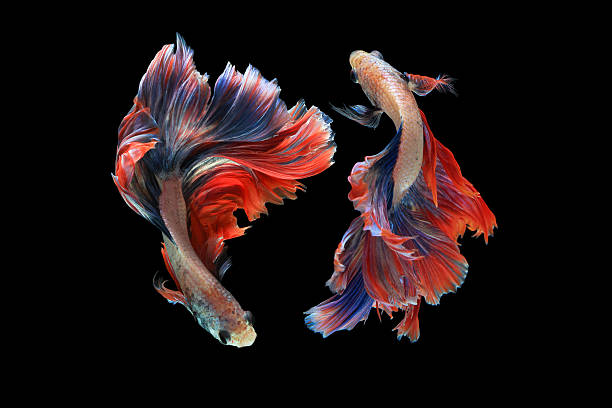
Discover Where to Buy Betta Fish for Sale: Halfmoon, Crowntail, and Plakat Varieties
Betta fish (Betta splendens) are renowned for their vibrant colors and diverse fin shapes. Among the most popular and striking varieties are the Halfmoon, Crowntail, and Plakat bettas. Each type has unique characteristics that distinguish it from the others. Below is an in-depth look at these fascinating fish.
Halfmoon Bettas
Halfmoon bettas are admired for their elegant fins that form a 180-degree spread when fully flared. Their name originates from the semicircular shape of their tail, resembling a half-moon.
Key Traits of Halfmoon Bettas:
– Tail Shape: Large, rounded tail spanning 180 degrees when flared.
– Behavior: Known to be slightly more delicate due to their larger fins, which may make them prone to tearing in rough tank environments.
– Colors: Available in a wide range of hues, including solid colors like red or blue as well as intricate patterns such as marble or butterfly.
Care Tips for Halfmoons:
– Provide a calm tank environment with minimal water flow to prevent damage to their fins. – Use soft plants such as Java moss or silk plants instead of rough decorations. – Regularly monitor water quality since they can be sensitive to poor conditions.
Crowntail Bettas
Crowntails are instantly recognizable by their unique fin structure, which features extended rays that give the appearance of a spiky crown. This distinctive trait makes them one of the most sought-after types among betta enthusiasts.
Key Traits of Crowntail Bettas:
– Fin Shape: Fins resemble spikes due to elongated rays with reduced webbing between them.
– Durability: Despite their dramatic appearance, they tend to be slightly hardier than some other long-finned varieties like Halfmoons. – Colors & Patterns: Found in various color combinations including iridescent shades and multicolored patterns.
Care Tips for Crowntails:
– Avoid sharp objects in the tank that could snag their delicate fins. – Choose water parameters suited for bettas: temperature around 78–80°F and a neutral pH (6.5–7.5).
| Trait | Halfmoon | Crowntail |
| Tail Shape | Rounded semicircle | Spiky crown-like |
| Delicacy Level | More delicate | Hardier |
Plakat Bettas
Plakats are a short-finned variety of betta that closely resembles wild forms found in Southeast Asia. These fish are prized not only for their robust health but also for showcasing bold coloration with less elaborate finnage compared to other types.
Key Traits of Plakat Bettas: – Fin Shape: Shorter fins give them a sleek and agile appearance. – Temperament: Often more active swimmers due to reduced drag from shorter fins. – Colors & Patterns: Plakats have been bred into stunning varieties featuring metallic scales, solid colors, and intricate patterning such as koi or dragon scales.
Why Choose Plakats? 1. Less prone to fin damage since they lack long flowing tails. 2. Easier maintenance because shorter fins reduce stress associated with swimming in stronger water flows. 3. A great option for beginners who want an energetic yet low-maintenance betta variety.
Summary Table Comparing Traits
| Type | Tail/Fins | Behavior/Activity | Care Considerations |
| Halfmoon | Long; rounded tail span (180°) | Moderate activity | Delicate fins; calm tank required |
| Crowntail | Spiky crown-like rays | Moderate activity | Avoid sharp objects |
| Plakat | Shorter; streamlined | Highly active | Robust health; versatile care |
Each type—Halfmoon, Crowntail, and Plakat—brings something special to aquariums around the world. Whether you’re drawn by the dramatic beauty of a Halfmoon’s flowing fins or prefer the practicality and boldness of a Plakat’s short finnage, these varieties showcase just how diverse betta fish can be while requiring tailored care practices based on their unique traits.
The Fascinating World of Doubletail, Veiltail, and Elephant Ear Bettas
Betta fish, scientifically known as Betta splendens, are celebrated for their vibrant colors and strikingly diverse fin types. Among the many varieties, the doubletail, veiltail, and elephant ear bettas stand out for their unique physical traits and characteristics. These types captivate hobbyists with their elegant appearance and distinct behaviors. Understanding these varieties helps enthusiasts choose the right betta for their aquarium.
Doubletail Betta
Doubletail bettas are easily recognizable due to their split tail fin. Unlike other bettas that have a singular tail fin, this variety boasts two separate lobes that give the illusion of a “double” tail. This feature is caused by a genetic mutation.
- Two symmetrical lobes in the caudal (tail) fin.
- A broader dorsal (top) fin compared to other betta varieties.
- Often smaller bodies due to genetic influences.
- Stunning and unique appearance.
- Great choice for experienced aquarists seeking showy fish.
- More prone to health issues such as spinal deformities or swim bladder problems.
- Require careful monitoring to ensure water quality and overall health.
| Trait | Description |
| Tail Type | Two distinct lobes |
| Dorsal Fin Size | Broader than other variations |
| Health Concerns | Higher susceptibility to issues |
Veiltail Betta
The veiltail is one of the most popular and widely recognized types of bettas in the pet trade. Known for its long, flowing fins that trail gracefully behind it as it swims, this variety is often considered a classic choice for beginners.
- Long, asymmetrical tail that tapers into a point.
- Commonly available in a wide range of colors.
- Readily available in most pet stores.
- Affordable and beginner-friendly.
- The long fins are prone to damage from sharp objects or aggressive tank mates.
| Trait | Description |
| Tail Type | Long and flowing |
| Availability | Most common type |
| Maintenance | Requires careful tank setup |
Elephant Ear Betta
Elephant ear bettas, also referred to as dumbo ear bettas, are named after their oversized pectoral fins that resemble an elephant’s ears. This variety is highly prized by aquarium enthusiasts for its dramatic appearance.
- Large pectoral fins extending outward like wings.
- Often paired with vibrant coloration across the body and fins.
- Visually stunning with unique movement patterns.
- A great choice for those seeking an exotic-looking fish.
- The larger fins may hinder swimming ability in certain cases.
| Trait | Description |
| Pectoral Fins | Oversized “wing-like” shape |
| Movement Patterns | Slower swimmer |

Choosing Between These Varieties
When deciding between doubletail, veiltail, or elephant ear bettas, consider factors such as your aquarium setup, maintenance capability, and aesthetic preferences. Each type has its own set of care requirements but offers beauty and charm unmatched by most freshwater species. Providing them with proper care ensures they thrive while enhancing the visual appeal of your tank space.
Discovering Rare Varieties Like Alien Betta Fish
Betta fish, also known as Siamese fighting fish, are celebrated for their stunning colors and diverse forms. Among the many varieties, rare types like the Alien Betta Fish captivate enthusiasts with their unique appearance and fascinating traits. Let’s dive into what makes these rare bettas so extraordinary.
What Are Alien Betta Fish?
Alien Bettas are a hybrid variety, created by breeding wild bettas—primarily Betta imbellis and Betta smaragdina—with domesticated species of Betta splendens. The result is a visually striking fish with an iridescent, metallic sheen and intricate patterns that set them apart from other bettas.
Key traits of Alien Bettas include: – Metallic coloring: A shimmering appearance reminiscent of an “alien-like” quality. – Complex patterns: Irregular lines or spots resembling the textures found in nature. – Unique fin structure: Though they share some similarities to standard bettas, their fins can vary due to hybridization.
Types of Alien Bettas
| Type | Description |
| Blue Alien | Features deep blue or turquoise metallic hues with dark or contrasting patterns. |
| Green Alien | Boasts vibrant green tones with shimmering scales that appear iridescent under light. |
| Copper Alien | Exhibits a coppery or bronze metallic sheen across its body for an earthy yet dazzling look. |
These variations add to the appeal of Alien Bettas among collectors who seek out exotic specimens.
Why Are They Considered Rare?
Alien Bettas are rarer than traditional Betta splendens due to: 1. Complex breeding requirements: Producing hybrids necessitates careful pairing between wild species and domesticated strains. 2. Limited availability: These fish are often bred by specialized breeders in small numbers. 3. Distinctive genetics: Their unique lineage makes them genetically different from most commercially available bettas.
Because of these factors, acquiring an authentic Alien Betta often requires sourcing from reputable breeders or specialty stores.
Care Requirements for Alien Bettas
- Tank size: A minimum of 5 gallons is recommended to provide ample swimming space.
- Temperature: Maintain between 75°F–80°F (24°C–27°C).
- pH level: Keep water slightly acidic to neutral (pH 6.5–7).
- Filtration: Use gentle filters since aggressive currents can stress them.
- Offer a balanced diet of high-quality pellets as well as live or frozen foods like daphnia and brine shrimp.
Additionally, because some alien hybrids retain characteristics of their wild ancestors (such as increased aggression or sensitivity), it’s essential to monitor tank dynamics closely if housing with other fish.
Exploring rare varieties like the Alien Betta opens up another world within the already captivating hobby of keeping bettas. With proper care and attention, these mesmerizing creatures can thrive while adding unparalleled beauty to any aquarium setting.
A Comprehensive Guide to Betta Splendens Characteristics and Forms
Betta splendens, commonly referred to as Siamese fighting fish, are among the most popular freshwater aquarium species due to their vibrant colors, striking fin shapes, and captivating behavior. Understanding the physical characteristics and forms of bettas is essential for both beginner and experienced aquarists. This guide delves into the key traits and structures that define Betta splendens.
Physical Characteristics
- Body Shape
Betta splendens have a slender, elongated body designed for efficient swimming. Their bodies are laterally compressed, which helps them navigate through plants and tight spaces in their natural habitat. - Male Bettas: Typically grow between 2.5 to 3 inches in length.
- Female Bettas: Slightly smaller on average, ranging from 2 to 2.5 inches.
- Wild Bettas: Tend to be smaller than their domesticated counterparts.
- Coloration
Modern breeding practices have resulted in a vast array of colors: - Solid colors (e.g., red, blue, white).
- Multicolored varieties with iridescence or marbled patterns.
- Metallic hues achieved through selective breeding of wild varieties.
Fin Types
| Fin Type | Description | Unique Trait |
| Veiltail | Long, flowing fins that trail behind the body | Most common among beginner aquarists |
| Crowntail | Characterized by spiky rays extending beyond the webbing | Gives the appearance of a crown |
| Halfmoon | Fins spread out into a full 180-degree semicircle when flared | Popular show variety |
| Plakat | Shorter fins resembling those found in wild bettas | Strong swimmers with a more natural look |
| Doubletail | Two distinct tail lobes instead of one | Often paired with symmetrical body structure |
Behaviors and Adaptations
- Labyrinth Organ
One defining characteristic of Betta splendens is their labyrinth organ, which allows them to breathe atmospheric air directly from the surface. This adaptation is critical for survival in low-oxygen environments such as rice paddies or shallow water. - Territorial Nature
Male bettas are highly territorial and will aggressively defend their space against other males or similarly colored fish. This behavior stems from their origins in Southeast Asia’s competitive aquatic ecosystems. - Bubble Nesting
Male bettas construct bubble nests at the water’s surface during breeding periods. They guard these nests vigilantly as part of their reproductive behavior.
Variations in Form
Over years of selective breeding, enthusiasts have cultivated numerous genetic traits leading to differences not just in color but also form: – Dumbo (Elephant Ear) Bettas: Enlarged pectoral fins give an appearance reminiscent of elephant ears. – Koi Bettas: Modeled after koi fish patterns with vibrant blotches on translucent bodies. – Alien Bettas: Rare hybrids displaying unique metallic sheen paired with elongated features resembling wild ancestors.
Understanding these diverse traits enhances an aquarist’s ability to care for their fish while appreciating the artistry behind Betta splendens’ evolution into one of the most distinctive aquarium species available today.
- Factors to Consider When You Buy Betta Fish Online and Their Unique Characteristics
- Discover the Best Betta Fish Online Shop and Tips for Buying Safely
- How to Buy Betta Fish Online and Choose the Perfect Tank Size
- Discover All the Different Types and Varieties When You Buy Betta Fish Online
- Best Tank Size Guide for Betta Fish for Sale
- Discover the Best Betta Fish for Sale: Fascinating Facts and FAQs
- Discover the Best Betta Fish Online Shop and Learn About Their 3 to 5 Year Lifespan